Tokyo Racecourse with Kids: The ¥200 Mega-Playground Hiding Inside a Racetrack (2026)
This post may contain affiliate links. If you book through them, I earn a small commission at no extra cost to you. Learn more.
Yes, a horse-racing track. Hear me out.
Tokyo Racecourse in Fuchu — the venue that hosts the Japan Derby — doubles as one of the best cheap family days out in the whole Tokyo area. Admission is ¥200 for adults on race days (kids under 15 are free), and inside you'll find enormous playgrounds, two giant bouncy domes, a mini shinkansen ride, pony petting, a free horse museum, and some of the best-kept lawns your kids will ever picnic on. Local families know this. Almost no visiting families do.
 The part you expected: a world-class turf track and grandstand. The part you didn't: what's hiding in the middle of it.
As a local dad, I took my then-4-year-old daughter here, and her verdict on the train home was "Can we go back tomorrow?" This guide covers what's actually inside, how race days work (you don't need to care about the racing at all), and the operating notices to check before choosing a date.
Quick Facts
| Admission (race days) | ¥200 (about $1.30) for adults, free for under 15 |
| Admission ("Park Wins" days) | Free for everyone |
| When is which? | Race days = Sat/Sun during Tokyo meetings (roughly Jan–Feb, Apr–early Jun, Oct–Nov); most other weekends are "Park Wins" days — see below |
| Tickets | Same-day cash tickets at the gate (¥200, cash only); online reservation also possible |
| Time needed | Half day to full day |
| Nearest station | Fuchukeibaseimonmae (Keio Keibajō Line) — 2-min covered walkway straight to the Main Gate |
| Nursing/diaper rooms | Yes — Fuji View Stand 2F and Memorial 60 Stand B1F (9:00 AM–4:00 PM), plus more facilities on race days |
| English support | Info Desk hands out a free English racing program and an English betting-guide booklet; on-site signage is mostly Japanese |
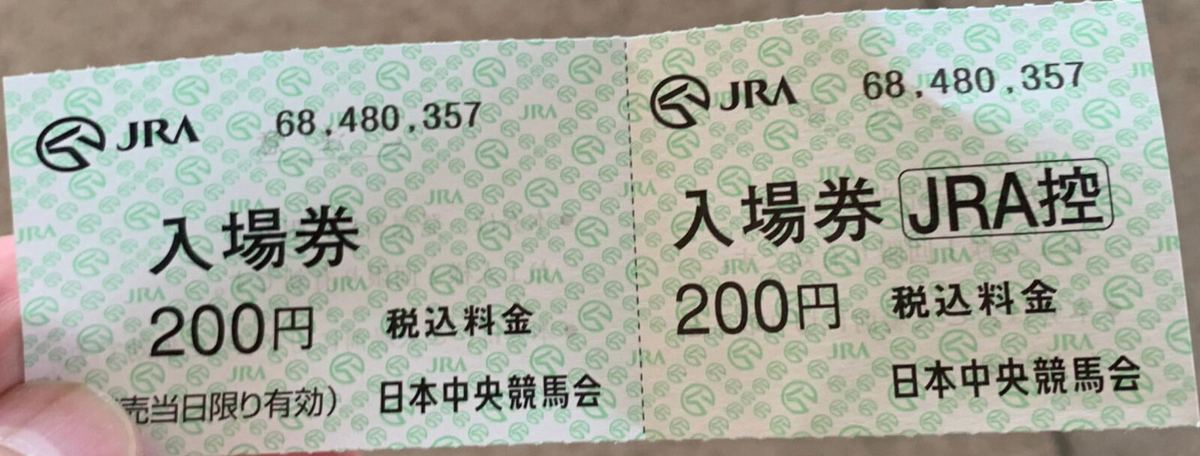 The entire cost of admission for two adults. Both kids: free.
Race days vs. "Park Wins" days — the 30-second version
Tokyo Racecourse runs actual races on Saturdays and Sundays during Tokyo meetings — roughly January–February, April–early June, and October–November. Regular race-day admission is ¥200 for adults; under-15s enter free. On other race weekends it opens as Park Wins, with free admission, but a different schedule of family activities. These prices are listed in JRA's official admission guide, checked October 13, 2026; special-price race days are exceptions.
On October 12, 2026, the official family-events page listed the mini shinkansen as temporarily suspended because of a fault.
Our Visit: Bouncy Domes, a Mini Shinkansen, and a "Zebra"
We went on an April race day with our 4-year-old daughter. Straight out of the station gates, a covered walkway leads you to the Main Gate in about two minutes — past a golden horse statue that got the first "whoa" of the day.
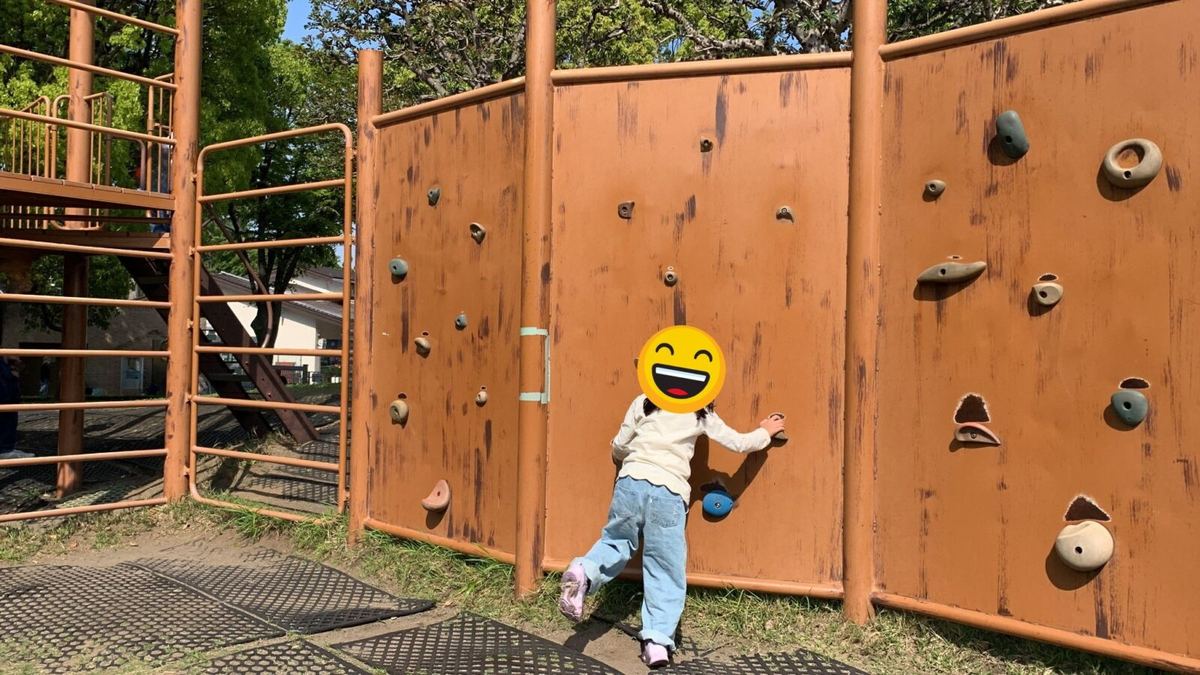
The heart of the kids' area is the infield — literally the grassy area inside the oval that the horses run around, reached by tunnels under the track. It's set up as a big playground zone (branded "KIDS GARDEN"), and everything in it is free.
 Upgraded-public-park-grade equipment, everywhere — including this shinkansen-shaped climbing structure.
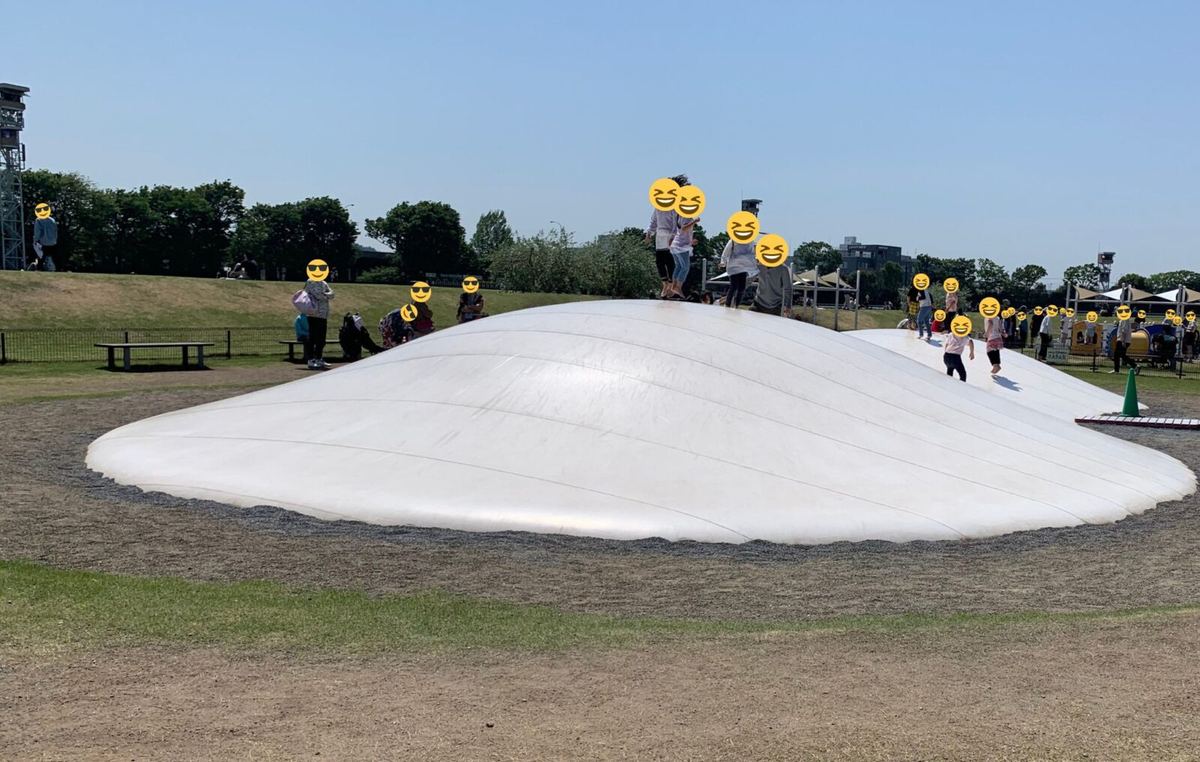
Her favorite was the fuwafuwa dome — a big white inflatable bouncing dome, like a trampoline the size of a small house. There are two: a large one for elementary-schoolers and a smaller one for ages 3 to preschool. That split mattered more than I expected — with no big kids around, my daughter bounced with total confidence instead of hovering at the edge. Staff run it in timed 3-minute turns, and you can rejoin the line as many times as you like (we waited about 10 minutes each round). Note: kids 2 and under can't use the domes.
 The fuwafuwa dome — 3 minutes per turn, unlimited re-queuing, and staff who actually enforce the safety rules.
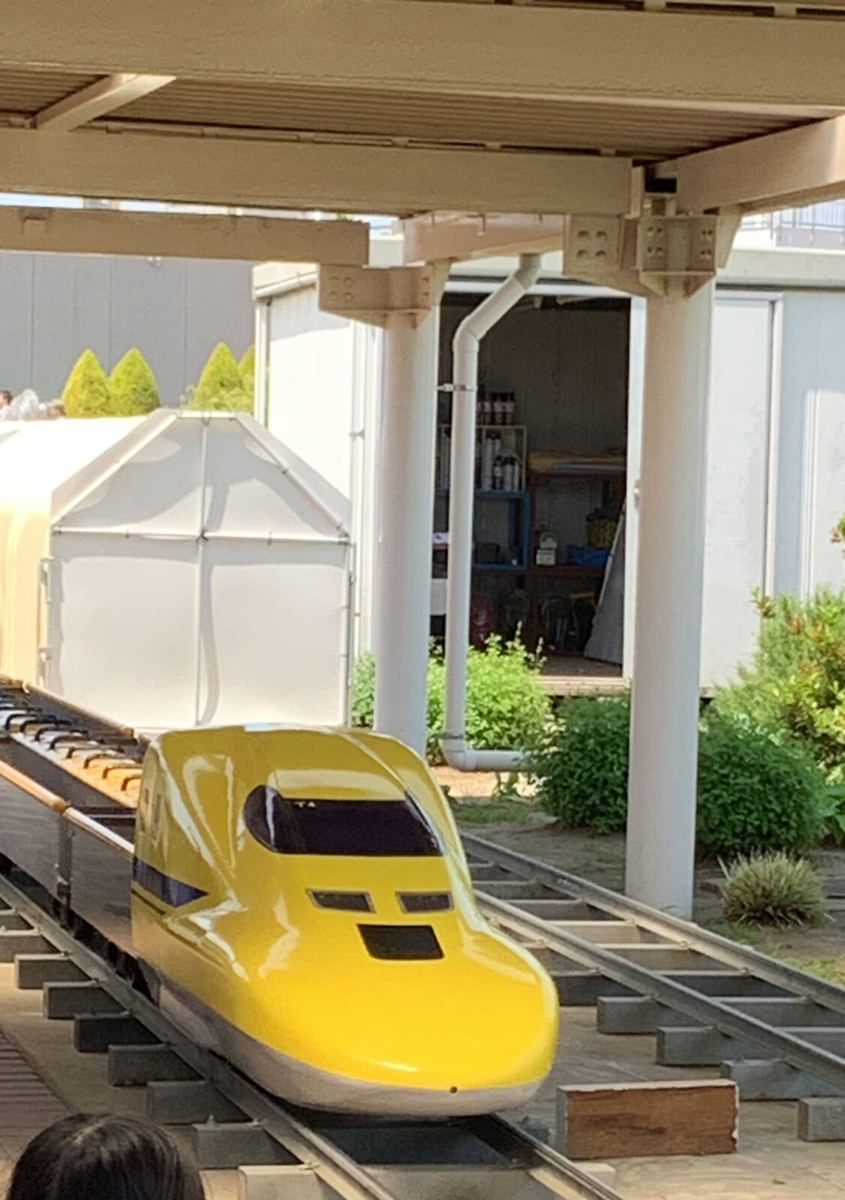
The mini shinkansen is a ride-on train that loops around its own little area — on our visit it was styled as the yellow "Doctor Yellow" inspection train, which for a certain kind of child is a very big deal. Fair warning: this was the one real queue of the day. We arrived at 10:30 and waited about an hour; the ride itself was 3–5 minutes. That describes our earlier visit.
Lunch was a picnic on the infield lawn. A food-festival event happened to be on — about 20 stalls — and between that and the lawn itself (immaculate, like everything here), it was one of the easiest kid lunches we've ever done. Everyone around us had picnic blankets; bring one.
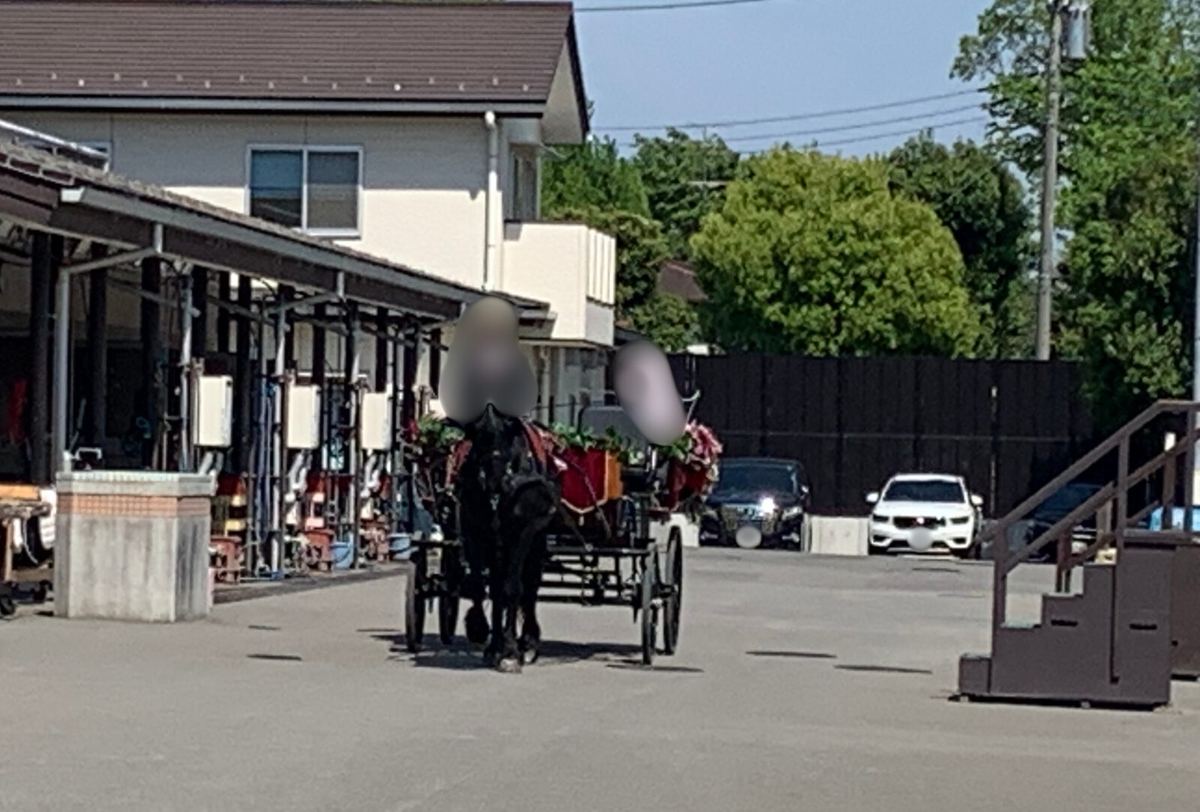
In the afternoon we crossed to the Riding Center area, where the real horses are. The schedule runs roughly like this on race days: pony petting 10:30–11:10 AM, trial horseback rides for lottery winners, horse carriage rides in the early afternoon, and a short horse show where staff demonstrate the four gaits — I genuinely didn't know horses had four distinct ways of running until a racecourse employee explained it to my daughter. The trial rides and carriage are allocated by free lottery through the official JRA event app — we entered and lost the carriage lottery, so we watched instead, which was still fun. Enter the lottery in the app before you go.
 "I thought it was a zebra! The horse is wearing clothes." — my daughter, meeting a horse in a striped rug at the paddock.
 The paddock area lets kids get genuinely close to the horses — no ticket, no queue.
Next to the Riding Center is Hiyoshigaoka hill, with another playground, stone statues of Anpanman characters (polished slippery-smooth by years of toddlers — don't let kids climb on top), and the "Basha-Basha Park" water-splash area, open until 4:30 PM on both race days and Park Wins days. Even in April, kids were soaked and delighted. Pack a change of clothes.
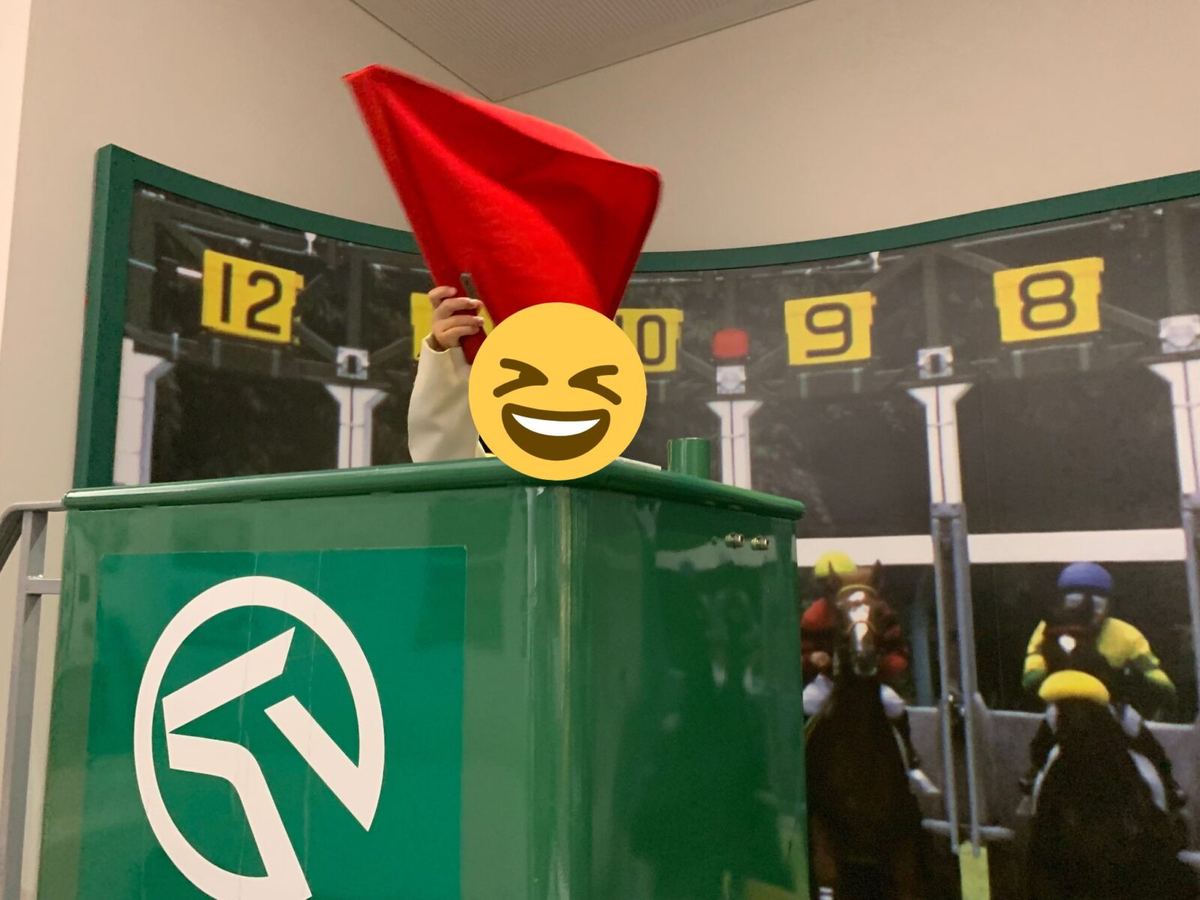
We finished at the free JRA Racing Museum, where my daughter got to "start" a race — you shake a flag, squeeze the starter's trigger, and a real starting gate swings open in front of you. They even lend you the official starter's jacket, in kid sizes and adult sizes. On the way out we ran into Turfy, the racecourse's horse mascot, who posed for photos. A perfect exit.
What Locals Know
- Check current closures, not an old seasonal warning. The summer 2026 dates previously highlighted here have passed. JRA's current individual notices, weather conditions and event schedules are what matter for a new visit.
- Download the free JRA event app before you go. The trial horseback rides and horse carriage are lottery-only, entered through the app (free, no payment info, only a light survey). No app, no chance at the two best horse experiences.
- Skip the big GI race days as a beginner. Days like the Japan Derby (late May) draw enormous crowds, same-day tickets may not be sold, and reserved seats are allocated by lottery weeks ahead. A normal race day has all the same kids' attractions with a fraction of the people.
- Betting is for ages 20+ — and you'll walk past it. The betting halls are open-plan, so you'll pass rows of adults marking slips on your way through the stands. You do not need to bet to use the family facilities. Decide whether the setting suits your family. Smoking is confined to designated rooms.
- It's an outdoor day. Almost everything for kids is outside, so skip rainy days. The stands are air-conditioned and fine for a break, but they won't fill a day with a preschooler.
- Online admission is ¥100 on regular race days in 2026. JRA's online half-price offer requires member registration. For a one-off visit, the usual ¥200 gate ticket is simpler; major race days have their own sales rules.
Food, Diapering, and Nursing
The infield gourmet area hosts rotating food events (a burger festival, on our visit) alongside permanent stalls selling soba, curry, kebabs, karaage fried chicken, and fries — plus a snack kitchen-truck that develops a serious line around 3:00 PM. Between the stalls and the picnic lawns, food is a solved problem; most local families do the pack-a-little-buy-a-little picnic approach.
For babies and toddlers, this place is unusually well equipped for what is nominally a sports venue: baby/child rooms in the Fuji View Stand 2F and Memorial 60 Stand B1F (9:00 AM–4:00 PM, with more facilities open on race days), and a dedicated kids' toilet and nursing building right in the middle of the infield, kept spotless. One note: the main infield nursing room is women-only, but there are rooms fathers can use elsewhere in the venue.
Getting There
This is the anti-Andersen-Park: access is genuinely easy. From Tokyo Station it's about 50–60 minutes and roughly ¥570 on an IC card, and the last leg is a two-stop branch line that exists almost entirely to serve the racecourse.
The dedicated walkway from the station deposits you at the Main Gate without crossing a single road — one of the most stroller-friendly station-to-gate approaches of anywhere we've covered.
How much English will you need?
Less than you'd think. The Info Desk gives out a free English racing program and an English betting-guide booklet — and even if you never bet a yen, the program makes watching a race with your kids much more fun ("we're cheering for number 7"). On-site signage is mostly Japanese, and the event app is Japanese-only, but the core of the day — playgrounds, bouncy domes, water play, watching horses thunder past the rail — needs no language at all. JRA also maintains an official English page for Tokyo Racecourse with access info and race calendars.
Verdict
Tokyo Racecourse is the best value-for-money family outing I know of in western Tokyo: ¥200 for adults, free for kids, and a genuine full day of playgrounds, ponies, water play, and a free museum — with the surreal bonus of world-class horse racing happening around the edges. Kids roughly 3 to 10 hit the sweet spot; the easy train access and excellent baby facilities make it low-stress even with a stroller.
Skip it if the activities your child wants are suspended, if the weather is unsuitable, or if your only free day coincides with a very crowded major race. Otherwise, this is exactly the kind of place that never makes an English guidebook precisely because nobody expects a racetrack to be a playground — and that's what keeps it uncrowded, cheap, and great.
This review reflects our family's actual visit. Race calendars, event schedules, and temporary closures can change — always check the official JRA English page before you go.
Written by Tokyo Dad, a Japanese dad sharing family visits in Japan.